Petrol Engine Maintenance in a Plug-in Hybrid
Plug-in hybrid electric vehicles, commonly called PHEVs, combine a rechargeable battery and electric motor with a petrol engine. This gives drivers the flexibility to complete some trips using electric power while retaining petrol-engine capability for longer journeys.
Because a PHEV has both electric and petrol powertrain systems, it requires maintenance that differs from a fully electric vehicle. While the petrol engine may operate less often than one in a conventional vehicle, it should not be overlooked.
Following the manufacturer’s scheduled service requirements helps maintain vehicle reliability, safety and performance.
Why a Plug-in Hybrid Still Needs Engine Servicing
A PHEV may drive in electric mode for short or regular trips, but its petrol engine can still operate during:
- Longer journeys
- Higher-speed driving
- Heavy acceleration
- Cold starts
- Towing or heavier-load conditions, where permitted
- When the battery charge is low
- Vehicle operating modes that request engine assistance
The precise conditions depend on the vehicle’s design and selected drive mode. Even where the petrol engine is used infrequently, its oil, filters, fluids and related components can still deteriorate with time.
That is why maintenance schedules often include both distance- and time-based service intervals.
Engine Oil and Oil Filter Changes
Engine oil lubricates internal moving parts, helps manage heat and carries contaminants to the oil filter. Over time, oil can degrade due to age, temperature changes, moisture and engine operation.
In a plug-in hybrid, low engine kilometres do not necessarily mean oil changes should be delayed. If the engine runs only occasionally, it may not always reach operating temperature for long enough to evaporate moisture and fuel contamination from the oil.
Always follow the vehicle manufacturer’s specified interval for:
- Engine-oil replacement
- Oil-filter replacement
- Oil grade and specification
- Time-based maintenance requirements
Using the correct oil specification is important, particularly in vehicles with advanced emissions systems, turbocharging or hybrid-specific engine designs.
Air Filters and Fuel-System Considerations
A PHEV petrol engine still requires clean air for combustion. The engine air filter should be inspected and replaced when required by the manufacturer’s schedule or condition.
Depending on the vehicle, servicing may also include checks of:
- Spark plugs
- Ignition components
- Fuel lines and connections
- Fuel quality and fuel-system condition
- Exhaust-system components
- Emissions-control systems
Some PHEVs may spend extended periods driving primarily on battery power. Keeping fuel in the vehicle within the manufacturer’s recommended storage and usage guidance is important, especially if the petrol engine is rarely used.
Cooling Systems Matter in Plug-in Hybrids
Plug-in hybrids can have more than one cooling circuit. Depending on the model, cooling systems may support the petrol engine, battery, electric motor, inverter, charging equipment or cabin climate-control system.
Coolant level, coolant condition, hoses, pumps and related components may need inspection according to manufacturer requirements. Cooling-system faults should be assessed promptly, as temperature management is important for both petrol and electric powertrain systems.
Do Plug-in Hybrids Need Brake and Tyre Maintenance?
Yes. Like EVs and conventional vehicles, plug-in hybrids need routine brake, tyre, steering and suspension checks.
Regenerative braking can reduce use of conventional brakes in some driving conditions, but brake pads, discs, calipers and brake fluid still require inspection. Corrosion can also occur where friction brakes are used less frequently.
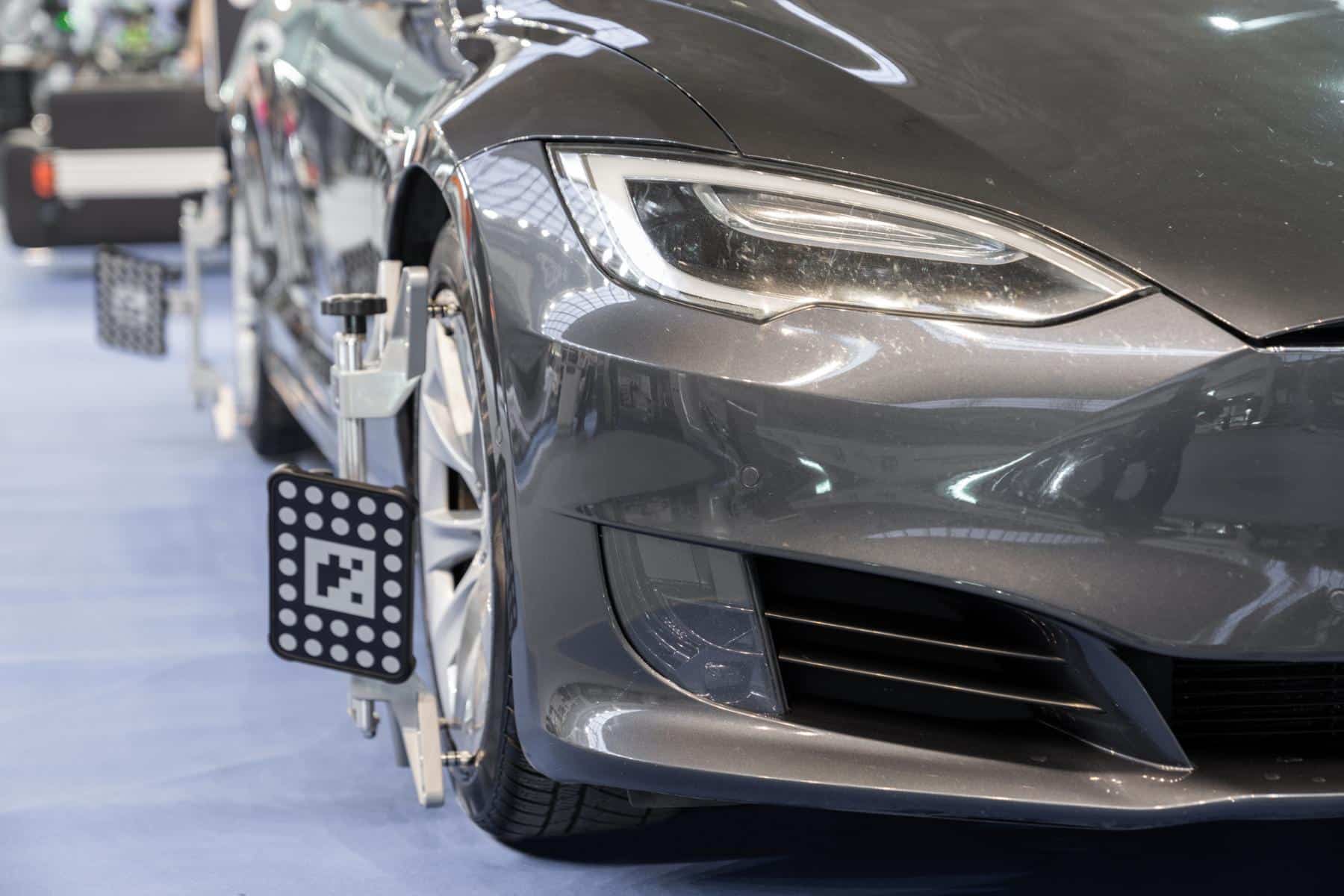
Tyres are another important maintenance item. Correct tyre pressures, tread condition, alignment and manufacturer-approved tyre specifications can support safe handling and tyre life.
Diagnostics Are an Important Part of PHEV Servicing
Plug-in hybrids use multiple control systems to manage the petrol engine, electric motor, battery, charging and regenerative braking. A diagnostic scan may help identify stored fault codes or system concerns that are not immediately visible.
Arrange an inspection if you notice:
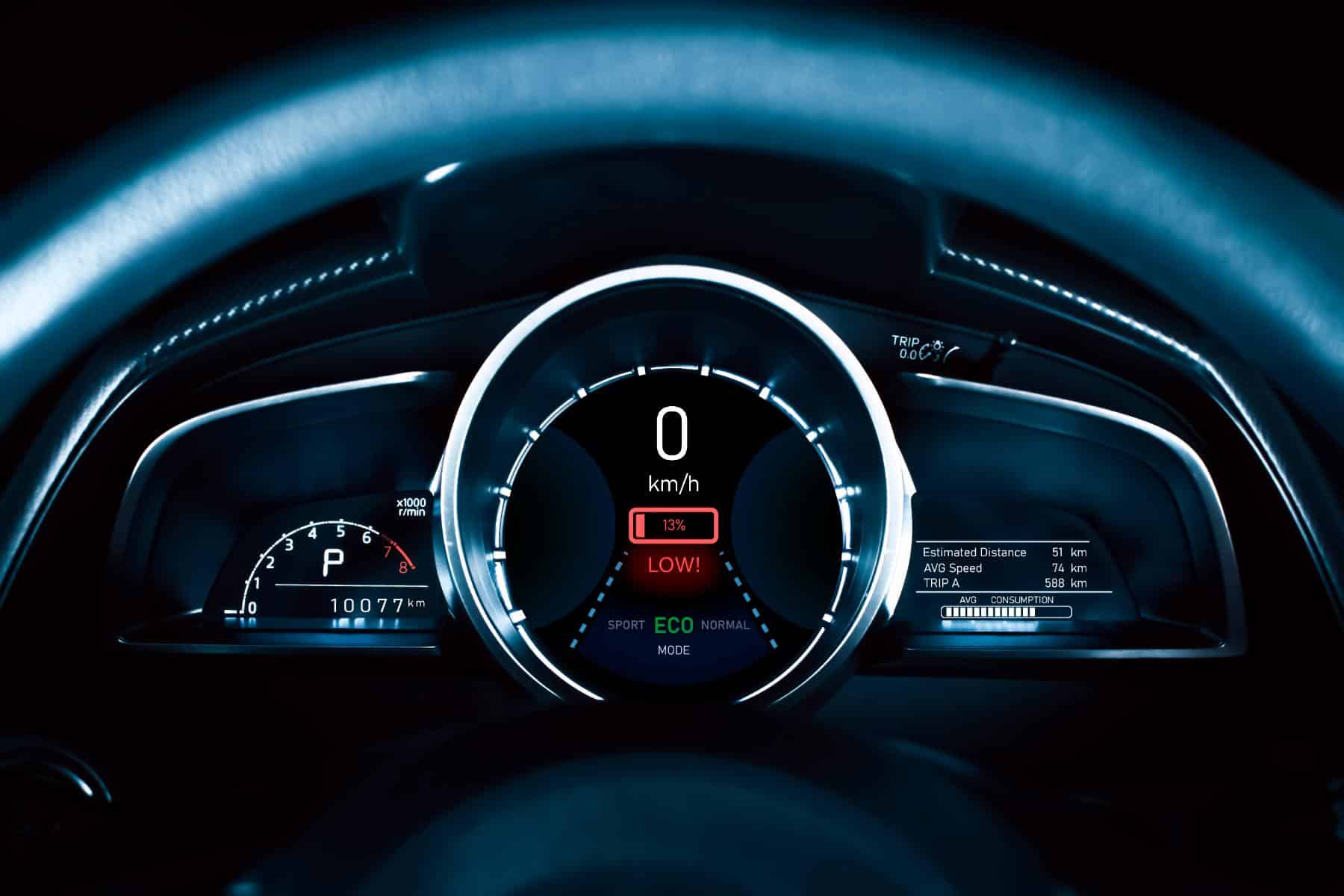
- Dashboard warning lights
- Changes in charging behaviour
- Reduced electric-only driving range
- Unusual engine operation or noises
- Changes in fuel consumption
- Cooling-system warnings
- A vehicle that does not drive or transition between power sources as expected
These signs can have several possible causes and should be assessed by a suitably qualified technician.
Maintain Both Sides of Your Plug-in Hybrid
A plug-in hybrid offers the benefits of electric driving and petrol-engine flexibility, but it also requires care for both systems. Routine servicing may include engine oil and filter changes, brake inspections, tyre checks, cooling-system maintenance and diagnostics.
At NexDrive, our technicians can help inspect and maintain relevant PHEV service items in line with your vehicle’s manufacturer requirements. Book a plug-in hybrid service to help keep both the electric and petrol sides of your vehicle operating as intended.