The Complete Guide to Servicing Modern Vehicles in Australia
Modern vehicles are more advanced than ever before. From electric drivetrains and hybrid systems to Advanced Driver Assistance Systems (ADAS), software-controlled components and high-voltage batteries, today’s cars are essentially computers on wheels.
For Australian drivers, this shift means one important thing: modern vehicles require modern servicing.
In this guide, we explain what servicing a modern vehicle involves, why specialist expertise matters, and how to protect your investment.
What Makes a Modern Vehicle Different?
Unlike older petrol vehicles that relied primarily on mechanical components, today’s vehicles integrate:
- High-voltage electric systems (EVs and hybrids)
- Complex onboard computers
- Radar, cameras and safety sensors (ADAS)
- Software-controlled braking and steering systems
- Over-the-air and workshop-based software updates
Because of this technology, servicing is no longer just about oil changes and filters. It now involves:
- Advanced diagnostic scanning
- Software checks and updates
- Calibration of safety systems
- Battery health monitoring
- Specialist equipment and training
If these systems aren’t maintained correctly, vehicle safety, performance and efficiency can be compromised.
Why Advanced Diagnostics Are Essential
Every modern vehicle stores detailed performance data. When a warning light appears, it’s rarely a simple issue. Advanced diagnostic tools are required to:
- Read manufacturer-level fault codes
- Analyse battery and charging systems
- Test sensor alignment and calibration
- Identify software communication faults
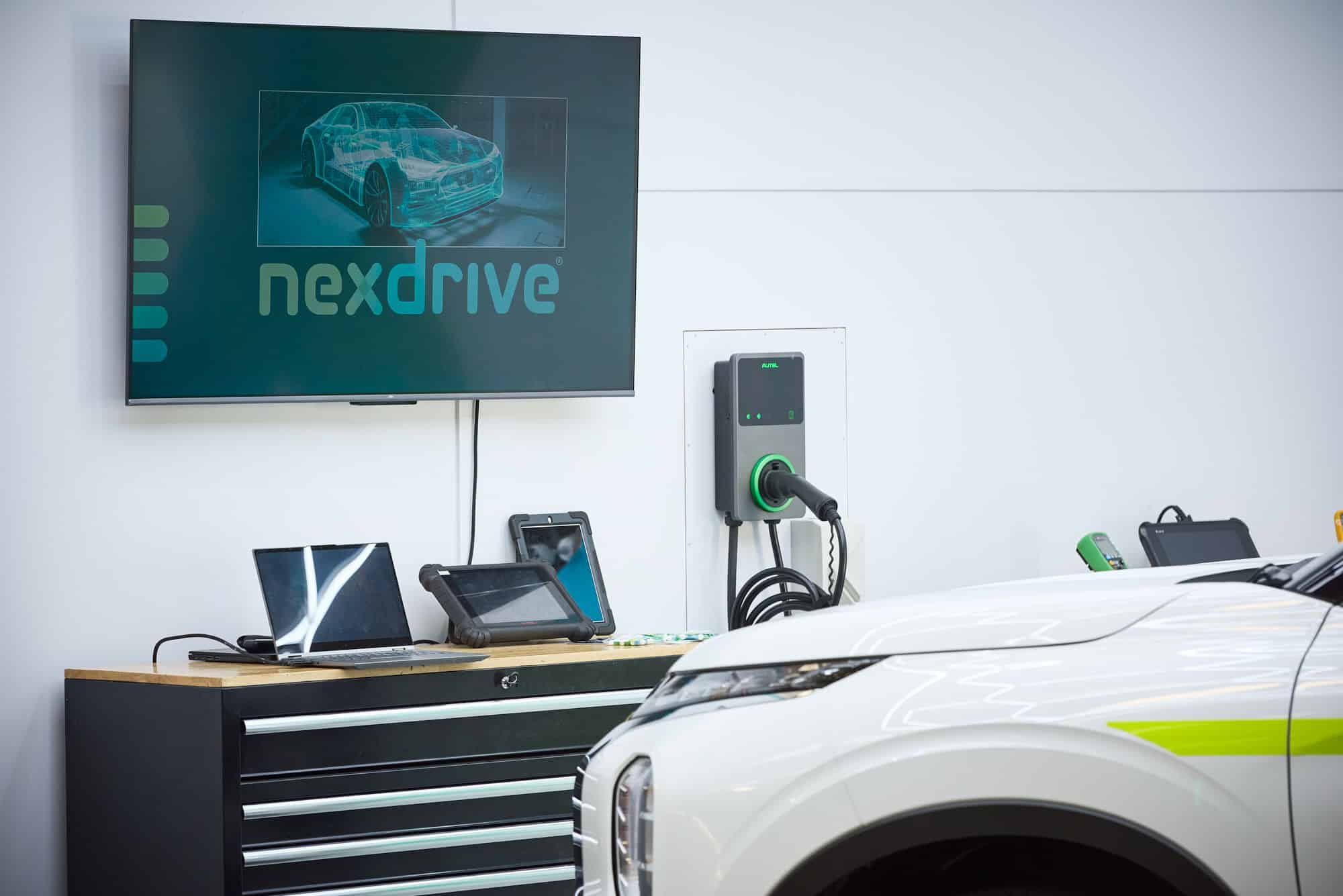
At a specialist workshop, technicians use modern diagnostic platforms designed for EVs, hybrids and advanced petrol vehicles.
EV and Hybrid Servicing in Australia
Electric and hybrid vehicles require a different servicing approach compared to traditional petrol or diesel vehicles.
EV servicing includes:
- High-voltage system safety checks
- Battery health inspections
- Cooling system checks for battery packs
- Brake system inspection (especially with regenerative braking)
- Software updates
Hybrid servicing includes:
- Electric motor diagnostics
- Petrol engine servicing
- Battery management system checks
- Inverter and power control inspections
Australia’s climate conditions — including extreme summer heat — make proper battery cooling system checks especially important.
The Importance of ADAS Calibration
Many modern vehicles are equipped with Advanced Driver Assistance Systems such as:
- Adaptive cruise control
- Lane-keeping assist
- Autonomous emergency braking
- Blind spot monitoring
These systems rely on precisely aligned cameras and radar sensors.
If your vehicle has undergone:
- Windscreen replacement
- Suspension repairs
- Wheel alignment
- Accident repairs
…it may require ADAS recalibration to ensure safety systems function correctly.
Improper calibration can reduce the effectiveness of these features and compromise driver safety.
Why Software Updates Are Now Part of Servicing
Software now controls many critical systems in your vehicle, including:
- Battery management
- Transmission control
- Stability control systems
- Safety features
Regular servicing may include software updates that:
- Improve efficiency
- Fix known system bugs
- Enhance safety performance
- Ensure compatibility with updated components
Skipping updates can result in reduced performance or system errors over time.
Can You Service Your Modern Vehicle Outside a Dealership?
Yes. Under Australian Consumer Law, you can service your vehicle at a qualified independent workshop without voiding your manufacturer warranty – provided the service follows manufacturer specifications.
Choosing a specialist workshop ensures your vehicle receives dealership-level care with transparency and personalised service.
How Often Should You Service a Modern Vehicle?
Service intervals vary depending on:
- Manufacturer recommendations
- EV vs hybrid vs petrol
- Driving conditions
- Climate exposure
- Software update requirements
Even EVs – which don’t require oil changes – still need regular inspections for braking systems, cooling circuits, suspension components and electronic systems.
Ignoring servicing because a vehicle is “electric” can lead to preventable issues.
The Risks of Skipping Modern Vehicle Maintenance
Delaying specialist servicing can lead to:
- Reduced battery lifespan
- Sensor misalignment
- Software faults
- Increased repair costs
- Compromised safety systems
Modern vehicles are engineered for precision. Small issues, if left unchecked, can escalate quickly.
Choosing the Right Workshop for Your Modern Vehicle
When selecting a workshop, Australian drivers should look for:
- Experience with EV and hybrid vehicles
- Advanced diagnostic capability
- ADAS calibration equipment
- Ongoing technical training
- Transparent communication
Servicing a modern vehicle isn’t just mechanical – it’s technical.
Final Thoughts
The evolution of automotive technology has transformed how vehicles are serviced. Whether you drive a petrol vehicle with advanced safety features, a hybrid, or a fully electric car, specialist knowledge is essential to keep your vehicle performing safely and efficiently.
Regular servicing is no longer optional – it’s a critical part of protecting your vehicle’s technology, safety systems and long-term value.
If you drive a modern vehicle in Australia, ensure your workshop is equipped for the future of automotive care.